
What EHO Inspectors Actually Look For (And How to Prepare)
An Environmental Health Officer (EHO) visit can arrive with as little as a few hours’ notice — or no notice at all. For many kitchen teams, the anxiety this creates is real. But here is the thing: EHO inspections are not designed to catch you out. They are designed to verify that your kitchen is doing, day in and day out, what food safety law requires.
Understanding exactly what inspectors assess turns a nerve-wracking visit into something you can prepare for systematically.
The Three Pillars of a Food Hygiene Rating
Under the Food Hygiene Rating Scheme (FHRS), your score — from 0 to 5 — is determined by three areas:
1. Hygienic food handling
How food is prepared, cooked, cooled, reheated, and stored. This includes temperature control at every stage.
2. Cleanliness and condition of facilities
The physical state of your premises: surfaces, equipment, pest control, waste management, and cross-contamination barriers.
3. Management of food safety
This is where most businesses lose points. It covers whether you have documented systems in place, whether your staff are trained, and whether your records demonstrate consistent compliance over time.
The third pillar is increasingly the deciding factor in ratings. A spotless kitchen can still score poorly if there is nothing on paper — or on screen — to show that it is managed safely.
If you want an indication of where you would currently score, our free Food Hygiene Rating Checker walks through the same three areas an inspector assesses and shows the likely band — no signup required.
What Inspectors Ask to See
During an inspection, an EHO will typically request:
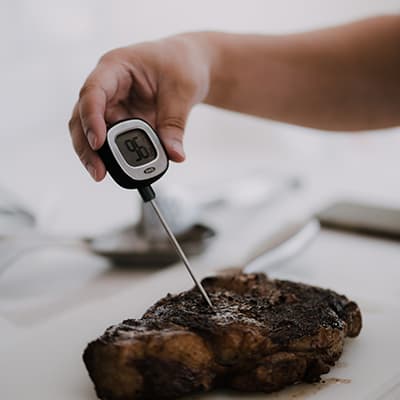
- Temperature records — fridge, freezer, cooked food, reheated food, hot hold. They want to see a log of checks, not just the result of today’s check.
- Corrective action records — what happened when a temperature was out of range.
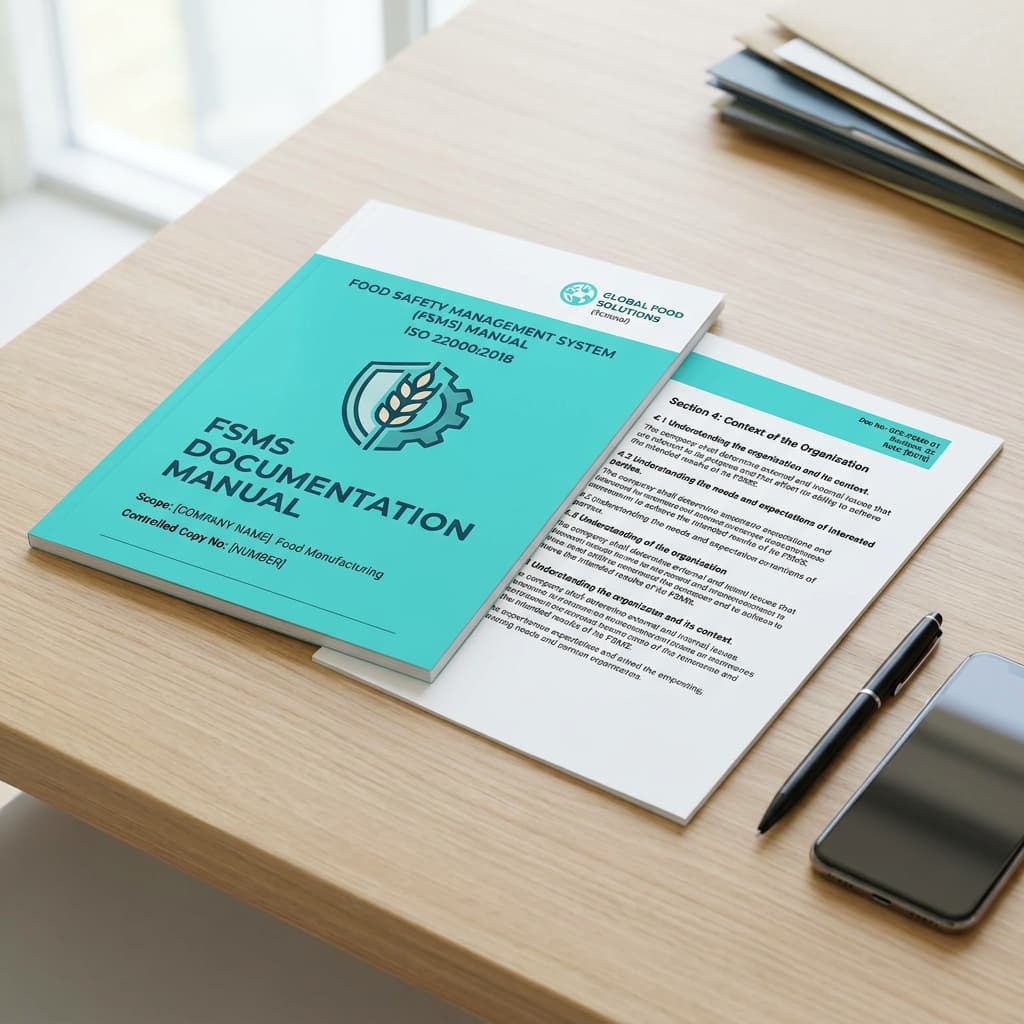
- HACCP documentation — your Food Safety Management System, showing that you have identified hazards and control points relevant to your operation.
- Cleaning schedules — written, signed off, with evidence of completion.
- Staff training records — who has been trained, in what, and when.
- Maintenance records — evidence that faults are reported and resolved promptly.
- Supplier records — delivery temperature checks and supplier approval documentation.
The critical word in all of this is records. Good practice that is not recorded carries very little weight in an inspection.
The Most Common Reasons Kitchens Score Poorly
After speaking with operators who have been through inspections, the same issues come up repeatedly:
Gaps in temperature logs. A refrigeration log with missed checks signals to an inspector that monitoring is not embedded in the team’s routine. Even one or two missed days across a month can undermine confidence.
No corrective action trail. If a fridge ran warm and the record just shows the temperature with no note of what was done, the inspector has no evidence that the problem was addressed.
Untrained staff with no proof of training. Verbal training is invisible in an inspection. Written acknowledgement and sign-off creates a record.
Paperwork that does not match practice. If your written procedure says you check hot hold temperatures every two hours but your records show checks every four, the inconsistency is flagged.
Out-of-date or incomplete HACCP. A HACCP plan written once and never reviewed — particularly after a menu change or new process — is a common finding.
How to Be Genuinely Inspection-Ready
The goal is not to perform compliance when an inspector arrives. It is to run operations in a way that generates compliance evidence automatically, so there is nothing to scramble for.
Embed daily logging into your team’s routine. Temperature checks should be as habitual as opening prep. If your team needs reminding, a system that flags missed checks before the inspector does will save you.
Make corrective actions visible and mandatory. When something is out of range, the response should be recorded immediately — what the action was, and what the outcome was.
Keep training records current. Every new team member trained should generate a timestamped sign-off. This is something an inspector can verify against your staff list.
Review your HACCP annually — or whenever your menu, equipment, or processes change significantly.
Keep your maintenance log up to date. Faults that are reported and resolved promptly show a well-managed kitchen. Faults that linger show the opposite.
A Practical Note on Digital Records
Paper records are legally acceptable, but they carry inherent risks: pages get wet, spilled on, or lost. Handwriting is sometimes illegible. There is no automatic alert if a check is missed.
A digital food safety management system addresses all of these. Records are timestamped automatically, checks cannot be backdated, and missed checks can trigger alerts to management before they become a pattern.
Chef-Ops-Pro is built specifically for UK hospitality kitchens. It covers refrigeration monitoring, food temperature logging, corrective action recording, maintenance management, staff training records, and one-click EHO audit pack generation — formatted for the Food Hygiene Rating Scheme.
If an inspector walked in today, you could have your complete compliance record in front of them in seconds.