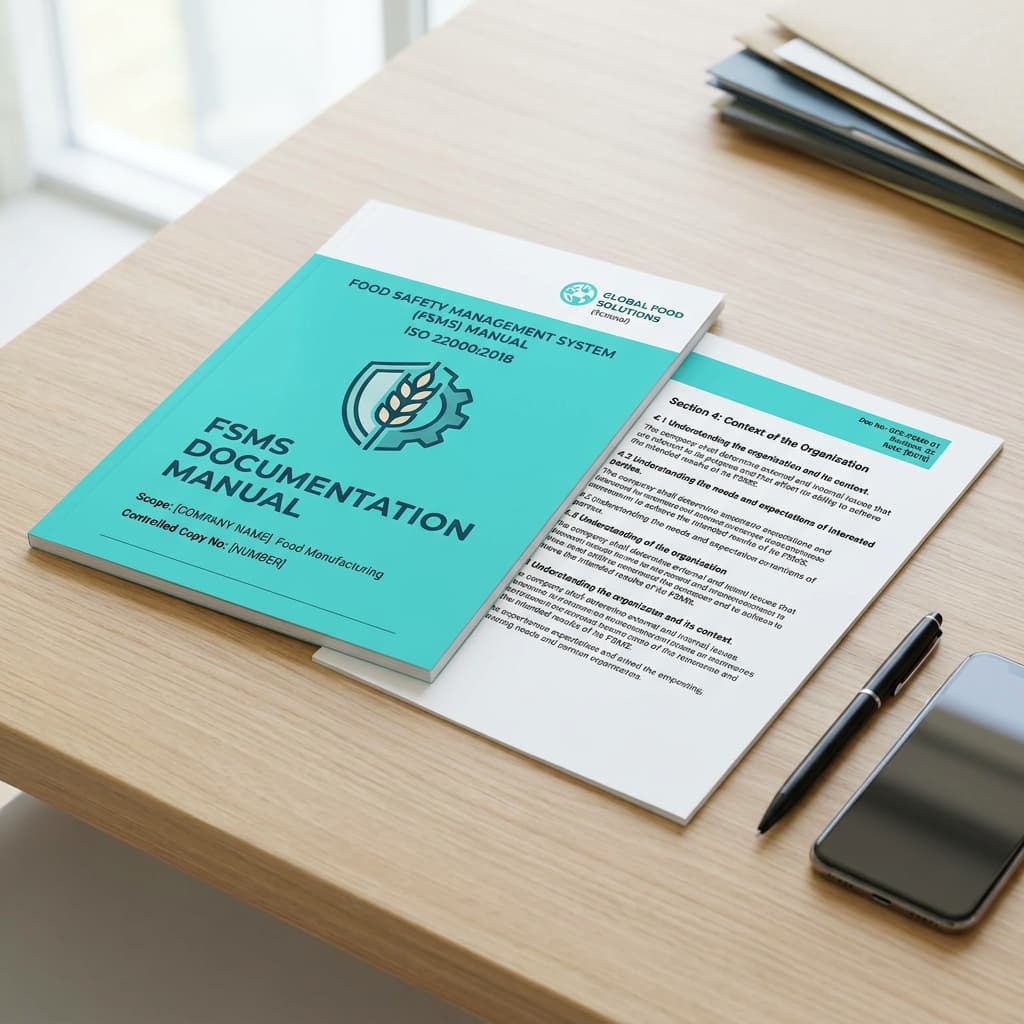


Ask most hospitality managers what the law says about food hygiene training and you will get one of two answers: “Level 2 for everyone” or “something like that.” The reality is more nuanced — and understanding it properly protects both your business and your food hygiene rating.
The Legal Position
Food hygiene training requirements in the UK are set out in Regulation (EC) No 852/2004 on the hygiene of foodstuffs (retained in UK law), specifically Chapter XII of Annex II:
“Food business operators are to ensure that food handlers are supervised and instructed and/or trained in food hygiene matters commensurate with their work activity.”
Two things stand out in this wording. First, it is the food business operator — the employer — who is responsible for ensuring training happens. Second, training must be commensurate with work activity, meaning the level of training required depends on what the individual actually does.
There is no blanket legal requirement for every kitchen staff member to hold a Level 2 Food Hygiene certificate. The requirement is for appropriate training and supervision, with documentation to demonstrate it.
What “Commensurate with Work Activity” Means in Practice
The Food Standards Agency and the Chartered Institute of Environmental Health (CIEH) both provide guidance on how to interpret the competency requirement.
Food handlers — anyone who works with open food — must receive appropriate food hygiene training before they begin work and ongoing training as their role develops. This does not have to be a formal qualification, but the training must be documented and demonstrably appropriate.
Supervisors and managers — those responsible for developing and maintaining food safety procedures — are generally expected to have a higher level of knowledge, typically equivalent to Level 3 Food Hygiene or above.
Non-food handling staff — those who never come into contact with open food — have a lower training requirement, though basic awareness training is still good practice.
In a typical commercial kitchen, this means:
- Commis chefs, kitchen porters handling food, and food preparation staff: Level 2 equivalent knowledge, formally trained and documented
- Sous chefs, head chefs, and kitchen managers: Level 3 equivalent, with documented ongoing training
- Waiting staff who handle plated or packaged food: Level 2 awareness training at minimum
- Cleaning staff who work in food areas: appropriate hygiene awareness training
What Inspectors Look For
When an EHO assesses training during an inspection, they are looking for two things: that training has happened, and that there is evidence to prove it.
Verbal assurances that your team has been trained carry no weight in an inspection. What matters is documentation:
- The name of each staff member
- What training they received
- When they received it
- Evidence of their understanding or acknowledgement — ideally a signed record
A training record that lists a staff member who left six months ago and is missing three current team members tells a story about how seriously training is managed. This directly affects the “Management of Food Safety” component of the Food Hygiene Rating Scheme assessment.
Inspectors also check for training relevance. A kitchen that introduced a new allergen-critical dish but has no record of team training on allergen management since the menu change has a gap that is difficult to justify.
Food Allergen Training: A Critical Sub-Category
Since Natasha’s Law came into force in October 2021, allergen information requirements for pre-packed food prepared on the premises have tightened significantly. Combined with the existing requirements under the EU Food Information for Consumers Regulation (retained in UK law), allergen awareness training has become a distinct and important component of food safety training for kitchen and front-of-house teams.
Your team should be able to:
- Identify the 14 major allergens
- Understand how cross-contamination occurs
- Know your kitchen’s allergen management procedures
- Communicate allergen information accurately to customers
Training on these points should be documented separately from general food hygiene training, and refreshed whenever your menu changes significantly.
Building a Training Record System
The most common failure in kitchen training programmes is not the training itself — it is the record-keeping. Training gets delivered informally, or in a team meeting, and the fact of it is never captured in writing.
A robust training record system includes:
A record per staff member. Each individual’s training history should be traceable: what they were trained on, when, and their acknowledgement of the content.
Sign-off at the point of training. Not retrospectively, and not by a manager on behalf of the staff member. A timestamped digital acknowledgement, or a signed paper record completed at the time, is what an inspector needs to see.
Records for leavers. When staff leave, their training records should be retained. Food safety records are generally kept for a minimum period aligned with your HACCP plan — typically two to five years.
Ongoing and refresher training. Initial training is not sufficient. Records should show that training is refreshed periodically and updated when processes or legislation change.
The Chef-Ops-Pro Approach to Training Records
Chef-Ops-Pro includes a Staff Training module that allows admins to create training modules and assign them to individual team members. Staff acknowledge and sign off each module digitally, with an automatic timestamp. The admin view shows who has completed what, who is still outstanding, and the full training history per person.
When an EHO asks to see your training records, you have a complete, timestamped, individually attributed record for every current team member — and the historical record for previous staff.
It does not replace the training itself. But it ensures that every piece of training your kitchen delivers is verifiable when you need it to be.