
How to Run an Effective Kitchen Handover (And Why Most Teams Get It Wrong)
The shift handover is one of the most critical moments in a commercial kitchen’s day. It is the point at which everything the departing team knows — about the state of prep, outstanding tasks, equipment issues, allergen substitutions, fridge temperatures, staffing gaps — has to transfer cleanly to the incoming team.
When it works, the kitchen runs without interruption. When it fails, the consequences range from minor inefficiency to serious food safety incidents.
What a Handover Is Actually For
A kitchen handover is not a courtesy. It is an operational necessity.
In a busy kitchen, the PM team carries context that the AM team cannot acquire any other way: which items are running low, which equipment has been playing up, what corrective actions were taken during service, which prep is outstanding, any allergen or special dietary notes from a late booking.
Without a structured handover, this information either gets lost entirely or gets passed verbally in the car park as one team leaves and the other arrives. Verbal handovers are better than nothing — but they are not verifiable, not searchable, and not part of your compliance record.
What Poor Handovers Cost You
The costs of poor handovers are rarely dramatic. They accumulate quietly:
Repeated incidents. If the PM team deals with a recurring equipment fault during every Friday service and never formally records it, the AM team on Saturday has no context — and the fault never reaches maintenance.
Allergen risks. A late substitution on a special dietary booking that was communicated verbally has no paper trail. If something goes wrong, there is no record of the handover note.
Prep failures. Without a written record of what was prepped and what is outstanding, incoming teams sometimes duplicate work or miss critical items entirely.
Staff frustration. Teams that repeatedly arrive to find things in an unexpected state — broken equipment that wasn’t flagged, low stock that wasn’t communicated — become demoralised. High-performing kitchen staff expect the operation to be managed professionally.
No audit trail. For compliance purposes, a handover that captures temperature anomalies, corrective actions, or maintenance issues becomes part of your food safety management record. A verbal handover contributes nothing to this.
The Anatomy of an Effective Kitchen Handover
A good handover note is brief, specific, and written in a format the incoming team can absorb quickly at the start of a shift. It typically covers:
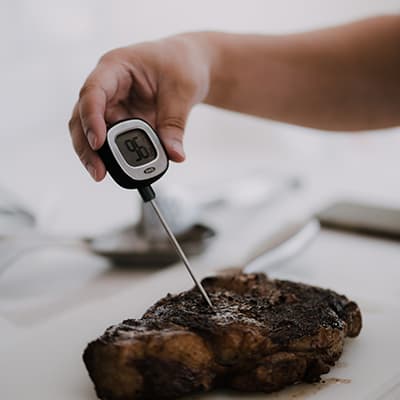
Refrigeration and temperature notes. Any units that ran warm during the shift, any corrective actions taken, any food that was discarded. This information is critically important to the incoming team’s first checks.
Equipment status. Anything that is broken, underperforming, or has been reported to maintenance. Incoming teams should not discover a faulty piece of kit mid-service.
Stock and prep. What has been prepped, what is outstanding, what is running low. Specific is better than general — “low on fish stock, needs making before service” is more useful than “check the stock.”
Bookings and special notes. Large covers, special dietary requirements, VIP tables, anything unusual about tonight’s service.
Staff notes. If the shift ran short or a particular station struggled, the incoming manager benefits from knowing.
Outstanding tasks. Anything that needs to be done that the outgoing team did not complete.
Why Handovers Fail
Most handover failures fall into one of three categories:
No system. The handover depends on whoever is the most conscientious person on the outgoing shift choosing to leave a note. On a bad night, nobody does.
No accountability. Even where a handover note is left, there is no mechanism for confirming that the incoming team has read it. Notes get missed. Critical information goes unactioned.
No record. Handovers written on a whiteboard, scrap paper, or a shared notes app are not part of your compliance record. They cannot be searched, referenced in an audit, or used to demonstrate a pattern of communication.
Building a Handover System That Works
An effective kitchen handover system needs three things:
Structure. A defined format or prompts that ensure consistent information is captured, rather than relying on individuals to decide what matters.
Read confirmation. The incoming team should acknowledge each handover note individually, not just “the handover.” This creates accountability and ensures critical items are not lost in a longer note.
A record. Every handover note, every read confirmation, with timestamps and names, should be preserved. This is both an operational resource and a compliance record.
Rolling history. The last 14 days of handovers should be accessible. This allows managers to identify patterns — recurring equipment issues, repeated stock problems, consistent allergen notes — that individual handovers might obscure.
The Chef-Ops-Pro Approach
Chef-Ops-Pro includes a Team Log module built around exactly this model. The PM team writes shift handover notes. The AM team marks each note as read individually — with their name and timestamp recorded automatically. Unread notes are flagged. The full 14-day history is always accessible, grouped by date.
It is not complicated. It takes the PM team a few minutes per shift and the AM team a moment per note. But it creates a complete, verifiable handover record as a natural by-product of how your team communicates.
For kitchens that are serious about operational continuity and compliance, that record has value well beyond the immediate shift.