
The New Opening That Went Live Without a HACCP Plan
New openings are under pressure to trade from day one — but compliance infrastructure cannot be deferred until the operation settles. The EHO visit will not wait for the kitchen to find its feet.
A new independent restaurant opened after months of fit-out delays, recruitment challenges, and the inevitable pre-opening chaos that any new hospitality venture involves. The team were capable. The menu was strong. The first week of soft launch went well — strong feedback, good covers, a brigade that was beginning to gel.
In week six, an Environmental Health Officer arrived for a new business inspection. This is standard practice. Local authorities typically visit new food businesses within the first few weeks of trading to introduce themselves, explain the Food Hygiene Rating Scheme, and carry out an initial assessment.
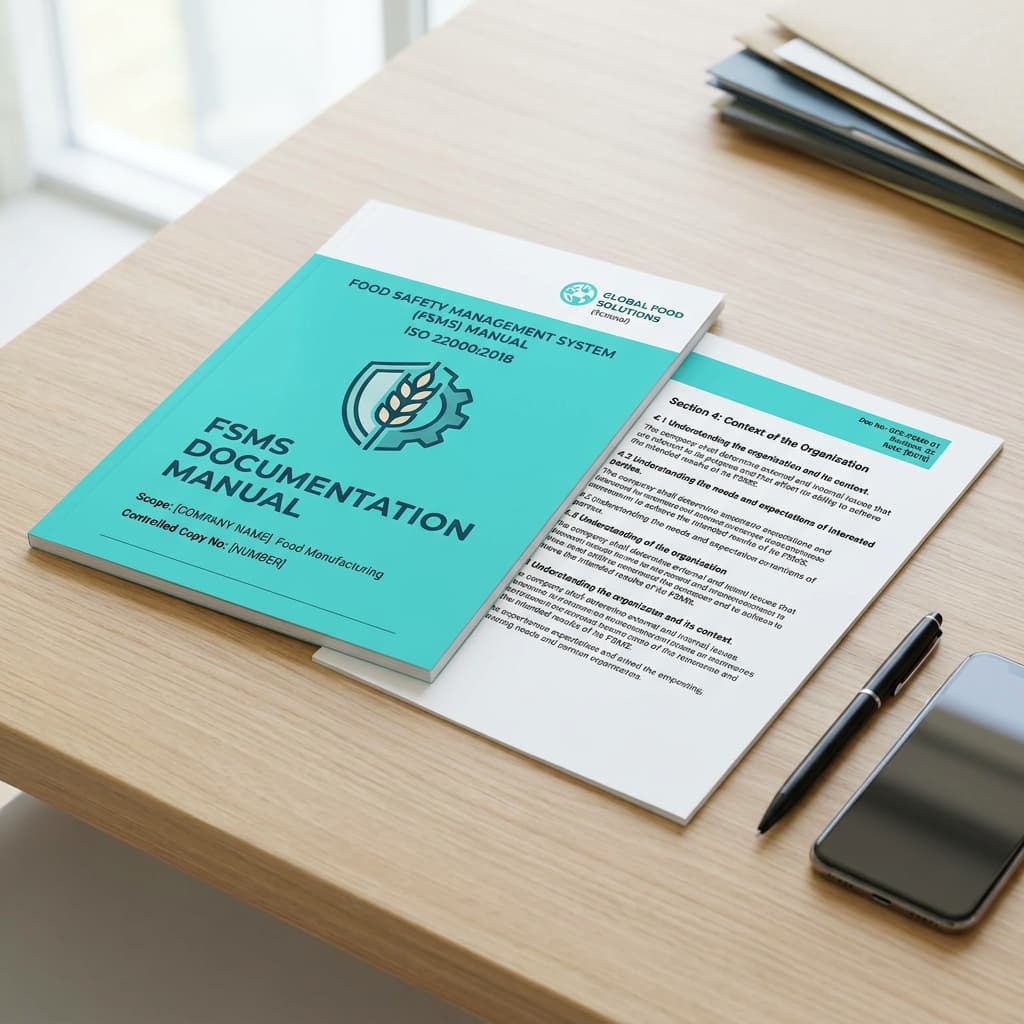
The head chef, when asked to see the Food Safety Management System, produced a HACCP plan that had been downloaded from a food safety website, partially edited, and never completed. Several sections were blank. The critical control points listed did not match the restaurant’s menu or cooking processes. The monitoring procedures had not been implemented. There were no records — because the records system had not been set up.
The kitchen had been open for six weeks and had no functioning food safety management system.
The New Opening Compliance Trap
The pressure of a new opening creates a specific environment in which compliance infrastructure is chronically deprioritised. The fit-out is running over. The recruitment is still incomplete. The menu is still being refined. The POS system needs configuring. The supplier relationships are being established. The team are learning the kitchen and each other.
In this environment, the HACCP plan becomes the thing that will be done next week — after the opening, after the first full service, after the initial rush quiets down. Compliance feels like an administrative task that can wait until the operation stabilises.
This instinct is understandable. It is also legally incorrect. A food business is required to have a Food Safety Management System based on HACCP principles from the point it begins operating. Not from the point it feels settled. From day one.
A new business inspection is designed partly to catch this gap — and many new openings are caught by it.
What an FSMS for a New Opening Must Cover
For a new restaurant, the minimum viable FSMS at the point of opening covers:
A completed HACCP plan — a documented hazard analysis specific to the menu and cooking processes of this kitchen, with identified CCPs, critical limits, and monitoring procedures. Not a template downloaded and half-edited. A document that reflects how this kitchen actually works.
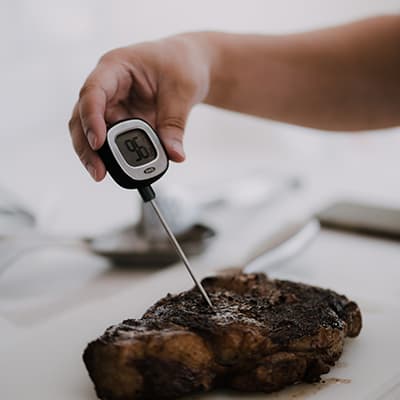
Configured monitoring systems — refrigeration log templates set up for the actual units in this kitchen, with the correct safe temperature ranges and check window times. Food temperature logging procedures appropriate to the cooking methods on the menu. A corrective action procedure that the team knows and can apply.
Training records for the opening brigade — every member of the team who handles food needs a training record from their first shift. This does not have to be formal certification for everyone, but it must be documented induction into the kitchen’s food safety procedures, signed off individually.
A maintenance logging process — a mechanism for reporting and tracking equipment faults from the moment the kitchen opens, not from the moment a fault occurs that causes a problem.
These are not aspirational standards. They are the minimum that a new business inspection will assess.
The Advantage of Going Digital From Day One
A new opening that implements a digital food safety management system before the first service is in a structurally different position to one that inherits or creates a paper-based system under opening pressure.
A digital system is configured once — the fridge units are added, the check windows are set, the temperature thresholds are entered, the training modules are created — and then it works. The AM commis opening the kitchen is prompted to do the fridge check. The reading goes in. The timestamp is automatic. If the check doesn’t happen, the alert goes to the head chef before breakfast service is over.
There is no paper to design, no template to adapt, no filing system to set up. The compliance record builds from service one.
For a new opening in the first six weeks of trading — the period during which a new business inspection is most likely — a digital FSMS means that when the EHO arrives, the records for every day of trading are complete, timestamped, and attributed. Not a partially completed template. A real compliance record.
Starting Right
The most expensive compliance problem to fix is the one you didn’t build in from the beginning. Retrofitting an FSMS into a kitchen that has been operating without one for weeks or months means recreating records that should have been generated in real time, conducting training that should have happened on day one, and presenting to an inspector a system that is visibly new rather than visibly operational.
Chef-Ops-Pro is designed to be set up before the first service and to generate the compliance record from that point forward. For a new opening — where the pressure to trade is high and the administrative bandwidth is low — it is the difference between an FSMS that is built into the operation from the start and one that is always catching up.
The EHO visit will come. The record it finds does not have to be six weeks old.